This buyer's guide explains how to find a reliable container house supplier in China and how to evaluate manufacturers that deliver consistent quality, transparent communication, and competitive value.
Sourcing container houses from overseas can be challenging—whether you need a single custom unit for a personal project or large-scale orders for commercial use. With the right evaluation criteria and sourcing strategy, however, it is entirely possible to find a manufacturing partner that fits your project requirements, quality expectations, and budget.
What is a Container House Factory?
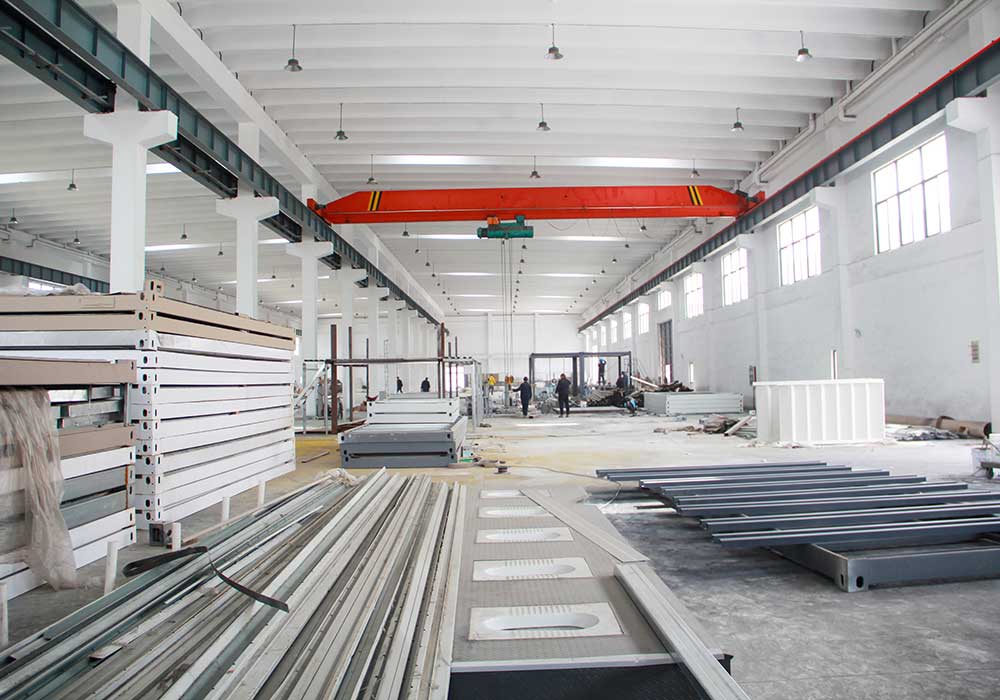
A container house factory is a business that takes raw materials and turns them into precision-made modular living and working spaces. In a container house factory, you can expect to find dedicated R&D labs for developing new designs, quality control checks at every stage of production, and often a sample showroom where clients can get a close-up look at the finished products.
A true manufacturing facility is where the core production process takes place. It is where a seamless workflow takes place, from structural frame fabrication and panel insulation to the installation of electrical and plumbing systems. This integrated approach means that every unit is built with a consistent standard, optimized for transport, and ready for rapid assembly after delivery. This is the heart of the modular construction industry.
Is a Container House Factory a Supplier?
A factory is indeed a supplier of sorts, but not all suppliers are factories.
A factory is the source of a product. That's the place where your container house is actually conceptualized, engineered, and built from the ground up. When you choose to work directly with the manufacturer, you get to deal directly with the people who design and manufacture the product. This means you can expect lower prices without middleman markups, you'll have direct access to the engineers for any custom requests, you get a clear understanding of production timelines, and you gain better visibility into quality control.
A supplier is just anyone who can supply you with the product. That includes factories, but it also includes trading companies or businesses that don’t manufacture anything themselves. They just source products from factories and resell them to international buyers. While trading companies can sometimes be convenient, they usually come with higher prices, limited technical knowledge, and less visibility into how and where your product is being made.
The China Container House Factory Scene
According to industry reports, the vast majority of flat-pack container houses are manufactured in China, placing the country at the center of the global modular container housing industry. The reason is pretty clear: China has decades of experience, advanced manufacturing, and massive supply chain networks.
These are where you would want to start looking:
- Jiangsu Province is where you'll find the high-end container homes. Cities like Suzhou and Nantong are known for producing custom solutions, doing OEM work, and sticking to the latest modular building tech.
- Guangdong Province is the place to go for mass production and automated lines, especially out of Foshan and Guangzhou.
- Henan Province is known for low-cost prefab housing production, often focusing on large-volume orders.
These days, Chinese container house factories combine sharp prices with top design skills, proper quality control, eco-friendly building, and rapid innovation. That's why they are a top choice for flat pack container house importers and brands from all over the world. Whether you're a well-established company or a brand new business, you can be sure they've got a reputation for delivering container house products.
In the container house industry, China is taking the very latest tech & combining modern technologies with traditional building methods and materials by introducing smart home systems, for example. Despite competition from new markets, the Chinese vendors are still out in front in the global container house industry thanks to that unique blend of manufacturing expertise & innovative design.
Quality Assurance and Regulatory Compliance
When trading internationally, there is one factor that matters more than anything else: quality and safety. Quality and safety. A good container house manufacturer shows its commitment to excellence with several recognized certifications that give you independent proof they actually know what they're doing.
When looking for a potential partner, take a hard look at their qualifications:
- ISO 9001: That's the globally recognised benchmark for quality management systems.
- CE Marking: If you're looking to sell into the European Economic Area (EEA), you'll need this qualification. It's a guarantee that your product is not only safe but also meets all the required health and environmental protection standards.
- SGS Certification: SGS audits are independent and honest, so you can get a real feel for how a factory is producing and managing quality.
Finding a Container House Supplier in China in 7 Easy Steps
Need to find the best container house factories and suppliers for your project? Follow these 7 steps to track down the top suppliers.
1. Get your list ready
You can customize your list of requirements that you look for, or look for the templates online. But as a starter, you can follow these basic requirements:
- Product Type
- Dimensions and Layout
- Quantity
- Material and Insulation Requirements
- Intended Use
- Target Market and Destination Country
- Customization Requirements
- Budget Range and Target Unit Price
2. Explore your options
With the previous list you had, it's now time to look for a potential supplier to work with. There are a few reliable ways to find container house factories:
- Start from B2B websites such as Alibaba or Made-in-China. These sites list a huge number of verified manufacturers, and you can use various filters to narrow down your options based on your requirements.
- Trade shows and exhibitions are an excellent way to meet face-to-face with potential manufacturers, check out some of the product samples they have on display, and better understand the company’s capabilities and professionalism. A good example is the Canton Fair in Guangzhou, where you see a lot of manufacturers and suppliers.
- Just do a Google search, and you'll likely turn up manufacturers with a decent online presence and a good reputation that's been built up over time.
- Another good idea is to ask people in the industry and talk to other importers or contractors who have already sourced container houses.
3. Compile quotations
Before signing, ask for a quotation and visit the office or take a tour. And be aware that the first price they give you might not be the final number, especially when working with overseas suppliers; there can be extra costs, so be mindful of hidden expenses. Particularly when collaborating with foreign production partners or wholesale suppliers, there can be extra expenses.
Here are a few examples of hidden costs:
- International shipping
- Exchange rates
- Quality control checks
- Packaging
4. Verify the Manufacturer's Credentials
Before you commit, check these things out:
- Certifications: ISO 9001, CE, SGS. You should make sure these certifications are available. And if you can, verify the paperwork with the actual issuer.
- Factory audit: If you can't get out there in person, get someone to do it for you.
- Case studies: Ask for references from previous customers, especially those in your target market.
- Business licenses & export records: Ensure the company is legitimate and has a history of exporting.
5. Communicate your ideas and designs clearly
Communication really matters here. You don't want to (and should not) assume the manufacturer understands your idea and inquiry.
Communicate your project in detail, including the technical sketches, reference images, or sample specs. If you need a specific floor plan or custom exterior, provide some visual references. Ask the manufacturer to provide a 3D model or technical drawing based on your brief.
6. Start negotiating
Key areas in negotiation include:
- Unit price that considers the volume of orders you're putting in, with tiered pricing for larger orders to get some economies of scale.
- Payment terms, such as a 30% deposit and the rest upon delivery.
- Lead time, ensuring you receive the goods on time based on your project deadlines. It’s better to be clear at the beginning about all types of lead time other than delivery lead time, including order lead time and production lead time.
- Warranty and after-sales support. What happens if products arrive with damage or defects?
Get all the agreed-upon terms in writing and formalize them in a purchase contract before you hand over any money.
7. Place your initial order
When it comes to a new supplier partnership, it's often a good idea to start with a smaller order rather than placing a very large order immediately. If you've got a really big order, it's worth thinking about hiring a third-party agency to go out and check on production before the goods ship out.
Final Thoughts
Finding a reliable container house supplier in China requires careful evaluation of manufacturing capabilities, certifications, communication, and project experience. By following the sourcing steps outlined in this guide, buyers can significantly reduce risks and build long-term partnerships with trustworthy manufacturers.
Whether you work with established manufacturers like TD Container or other qualified suppliers, taking the time to verify credentials and production capabilities will help ensure the success of your container housing project.
Author: TD Container
Publication Date: 3/11/2026